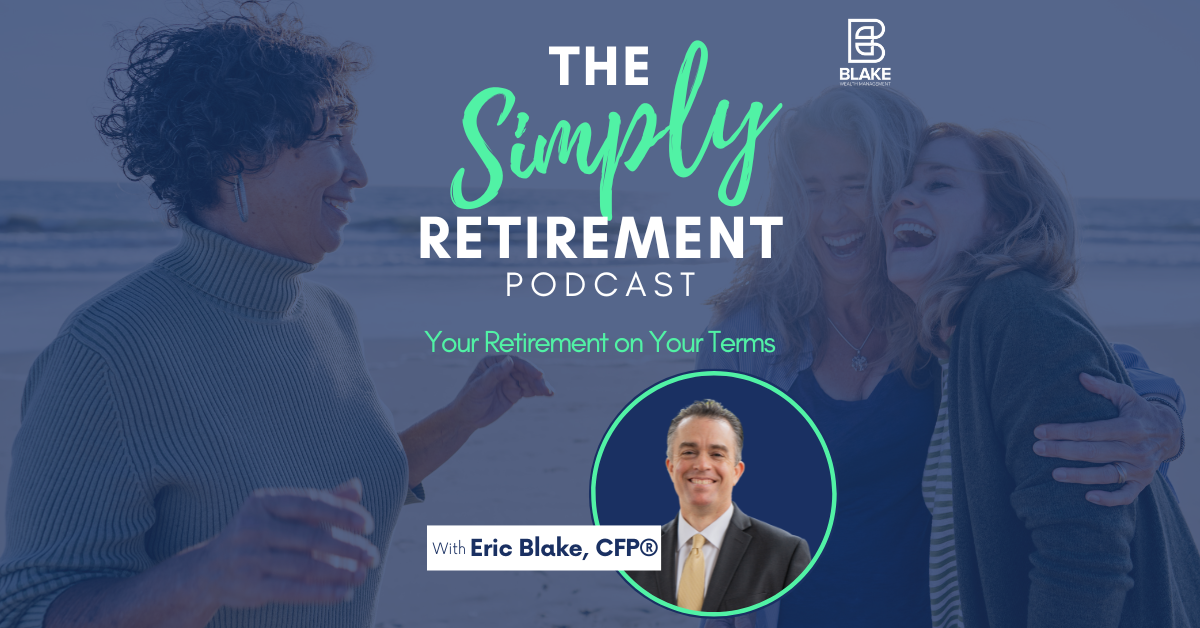
Required Minimum Distributions (RMD) Explained: Risks, Timing, and Tax Planning Strategies (Ep. 92)
RMDs are one of those retirement rules that feel simple on the surface, until the tax consequences show up years later.
In this episode, I walk through what required minimum distributions are, when they start, and why missing or mismanaging them can quietly raise taxes, Medicare costs, and long-term financial stress. I explain how planning early creates flexibility, especially for women navigating retirement transitions, widowhood, or income changes. We also cover practical strategies that can help reduce the tax impact without turning retirement upside down.
Key takeaways:
- How required minimum distributions work and when they begin under current law
- The penalties and long-term damage caused by missed or unplanned RMDs
- How RMDs can increase taxes on Social Security and Medicare premiums
- Using qualified charitable distributions to reduce taxable income
- Timing strategies like Roth conversions and filling lower tax brackets
- And more!
Resources:
- Get Your FREE Simply Retirement Roadmap
- www.thesimplyretirementpodcast.com/RMD
- #52 – I Have Inherited an IRA—Now What? 5 Steps to Avoid Costly Mistakes
- #73 – Roth IRAs and Retirement: What You Need to Know
- #91 – 2026 Retirement Contributions Explained: How to Prioritize Accounts & Help Reduce Lifetime Taxes
Connect with Eric Blake:
- www.TheSimplyRetirementPodcast.com
- Join the Simply Retirement Newsletter
- Ask a Question or Suggest a Topic for the Podcast
- Blake Wealth Management
- YouTube
This information is for educational purposes only and does not constitute tax advice. Converting to a Roth IRA is a taxable event and may increase your current-year tax liability. Roth conversions cannot be undone. Individuals should consult a qualified tax professional regarding their specific circumstances.
Podcast: Play in new window | Download | Embed